Have you ever walked into a luxury villa on St Barts and wondered how everything-from the chilled champagne to the perfectly plumped throw pillows-was arranged so flawlessly before your arrival? It’s not magic. Behind that seamless welcome is a carefully orchestrated process involving local regulations, import logistics, and expert coordination. Getting it right means understanding how provisioning, customs duties, and concierge support intersect-especially when high-end expectations meet island realities.
Financial Transparency: A Table of Common Import and Service Costs
Arriving at your villa without a single logistical hiccup doesn’t happen by chance. It starts with clarity around costs-many of which aren’t immediately visible when booking a luxury property. While some services are included, others depend on timing, volume, and compliance with local rules. One of the most overlooked aspects? The 5% territorial import duty applied to goods brought onto the island. This applies whether it's a case of vintage wine or high-end kitchen appliances for a temporary stay. What makes the difference is having someone who knows how to navigate these fees efficiently.
Managing these arrival logistics is much smoother when you rely on professional St Barts concierge services. These experts handle customs declarations, coordinate deliveries, and ensure every item arrives on time-all while keeping documentation in order. They also have relationships with trusted suppliers, which can reduce delays and avoid overpaying for last-minute imports.
| Cost Type | Typical Range | Notes |
|---|---|---|
| Territorial import duty (commercial goods) | 5% of declared value | Applies to all non-personal imports; must be paid at point of entry |
| Villa provisioning (full grocery setup) | 300 - 1,200+ | Varies by group size, dietary needs, and product tier |
| Concierge coordination fee (optional premium service) | 75 - 200 per project | Covers sourcing rare items, private chef bookings, event prep |
| Island delivery surcharge (remote villas) | 50 - 150 | Due to narrow roads and limited access; often added post-booking |
Mastering the 5% Territorial Import Duty Regulations
Understanding the Commercial Tax Base
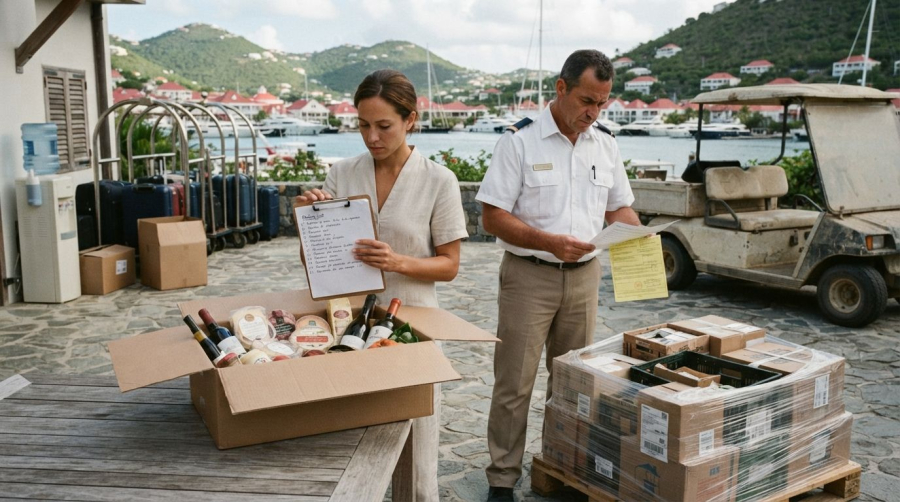
The 5% import duty in Saint Barthélemy isn’t a suggestion-it’s a firm requirement enforced at ports and airports. Any goods entering the territory for commercial use or long-term personal consumption are subject to this tax. That includes bulk food orders, alcoholic beverages, electronics, and décor items shipped ahead of your stay. Even if the items are for private use during a rental period, customs may classify them as commercial if they’re delivered to a villa managed by a third party.
This rule exists because St Barts, while part of the French overseas community, maintains its own fiscal autonomy. Unlike mainland France or even nearby Guadeloupe, it operates under a special status that allows it to apply reduced VAT rates but also requires strict control over incoming goods. As a result, anything ordered in quantity-say, multiple bottles of champagne or specialty cheeses-is likely to be flagged.
Exemptions and Personal Belongings
Not everything you bring is taxable. Personal luggage, clothing, and electronics carried with you on arrival are generally exempt from duty, provided they’re for personal use and not intended for resale. However, the line blurs when guests arrive with high-value items like designer speakers, portable saunas, or professional-grade photography gear.
Customs officials may ask for proof of ownership-original receipts help. If the equipment looks like it could serve a commercial purpose (e.g., catering tools or AV systems), you might need to declare it. For peace of mind, many high-end travelers opt for temporary import permits, especially when hosting events.
Administrative Filing Procedures
When goods arrive by sea or air, someone must file a declaration with the Direction des Douanes et Impôts Indirects. This involves submitting invoices, itemized lists, and estimated values. Delays happen when paperwork is missing or inconsistent. A mismatch between declared contents and actual cargo can trigger inspections, storage fees, or even refusal of entry.
Between us, it’s not uncommon for guests to underestimate how long this takes. Having a local representative submit the forms on your behalf cuts through red tape. They know which documents to prioritize and how to phrase descriptions to avoid unnecessary scrutiny. That kind of insight? Priceless when you're due to check in tomorrow.
Essential Provisioning Checklist for a Seamless Arrival
Gourmet Basics and Welcome Packages
A well-provisioned villa sets the tone from the moment you step inside. Think beyond water and snacks-guests expect French wines, artisanal breads, fresh tropical fruit, and premium coffee. Many top-tier rentals include a welcome package featuring local specialties: rum from Petite Anse, goat cheese from Flamands, and honey harvested on the hillsides of Morne du Vitet.
- French wines and champagnes (Burgundy, Bordeaux, Rosé from Provence)
- Fresh tropical produce (mango, papaya, coconut)
- Artisanal cheeses and charcuterie (imported weekly from France)
- Daily-baked baguettes and pastries (delivered morning of arrival)
- Luxury toiletries (high-end brands or eco-conscious alternatives)
Coordinating with Private Chefs
If you’ve booked a private chef, provisioning becomes a joint effort. The menu determines what needs to be sourced-and some ingredients simply aren’t available locally. Say you want truffle oil, Kobe beef, or specific gluten-free pasta: those items usually come via St Martin or direct air freight from Paris. Lead times matter. Ordering too late means substitutions-or paying a premium for rush delivery.
A skilled concierge will liaise with both the chef and supplier to align timelines. They’ll also handle customs clearance for imported ingredients, ensuring nothing gets held up. This coordination is invisible to the guest but critical behind the scenes.
Tailored Grocery Deliveries
Imagine landing after an eight-hour flight and heading straight to a fully stocked kitchen instead of a quiet supermarket. That’s the advantage of pre-arrival provisioning. Whether you need organic baby food, vegan butter, or a magnum of Dom Pérignon, it can be waiting for you.
The key is finalizing your list early-ideally two weeks in advance. During peak season, local stores run low on staples like sparkling water or certain cheeses. Planning ahead ensures availability and avoids inflated last-minute pricing. Plus, deliveries to hillside villas take longer due to winding roads, so scheduling matters just as much as the shopping list.
The Logistics of Luxury: From Port to Villa Door
Handling Oversized and Custom Imports
Some requests go beyond groceries. Think inflatable pools for kids, outdoor cinema setups, or custom floral arrangements flown in from Europe. These require special handling-especially if arriving by sea freight, which can take five to seven days from Fort-de-France or Pointe-à-Pitre.
Air cargo is faster but costlier and limited by weight. Fragile items like glassware or sculptures need extra packaging and careful customs labeling to avoid damage or seizure. Here again, experience makes a difference. Local partners know which couriers handle delicate luxury shipments best and how to label items to minimize inspection risk.
Local Transport and Delivery Fees
Getting goods from the port to your villa isn’t as simple as hiring a truck. Many high-end properties sit on steep cliffs or narrow dirt tracks, accessible only by 4x4 vehicles. Standard delivery services often refuse these routes unless compensated accordingly. That’s why remote villas frequently incur additional transport charges.
Also worth noting: fuel costs on the island are higher than in most destinations. Combine that with limited competition among delivery providers, and transportation becomes one of the less predictable expenses. Pre-negotiated flat rates through established concierge networks can prevent surprise markups.
Maximizing Your St Barts Lifestyle Experience
Strategic Vacation Planning
Timing is everything. Book your provisioning too early, and perishables spoil. Too late, and shelves are bare-especially around holidays. December through April, the high season brings full flights, packed marinas, and strained supply chains. Popular vintages sell out fast. Even basics like bottled water or ice can become scarce during large events like Le Tour des Yachts.
The sweet spot? Finalize your list ten to fourteen days before arrival. That gives enough time for customs clearance, shipping, and adjustments-without risking spoilage. And if you're planning a themed dinner or birthday celebration, start even earlier. Rare items like caviar or Japanese Wagyu take longer to source.
Leveraging Local Relationships
There’s no substitute for local knowledge. The best suppliers don’t advertise online. You won’t find them on Google Maps. They’re known through word-of-mouth, built on years of trust. Want the freshest lobster? There’s a fisherman near Gustavia who sells directly to insiders. Looking for biodynamic wine? A boutique importer brings small batches monthly-but only stocks clients who order consistently.
These connections aren’t accessible to everyone. But they are to experienced concierge teams. Their reputation opens doors, secures priority slots, and sometimes even waives minimum order fees. Between us, that’s where the real luxury lies-not just in what you get, but how easily you get it.
Securing Rare Vintages and Delicacies
Some guests want more than Dom Pérignon-they want a 1996 Krug or a bottle of Château d'Yquem from a specific year. Others request white truffles in summer (nearly impossible) or Japanese matcha powder in bulk. These aren’t standard inventory items. Fulfilling such requests requires tapping into niche importers who specialize in ultra-premium goods.
Lead times vary. Wine shipments from private cellars can take three weeks. Perishable delicacies may require charter freight. But with enough notice, almost anything is possible. The trick is knowing who to call-and saying the right thing when you do.
Frequently asked questions about villa logistics
What is the most common error when shipping personal luxury items to a villa?
Travelers often forget to carry original invoices for high-value items like cameras, sound systems, or designer furniture. Without proof of ownership and purchase price, customs may assume these are commercial imports and apply the 5% duty. Keeping digital copies on hand avoids delays and disputes upon arrival.
Is there an alternative to paying full import duties for temporary event equipment?
Yes-temporary admission procedures allow duty-free entry for items meant to be re-exported within a set period, typically 90 days. This applies to things like staging, lighting, or catering equipment used for weddings or corporate retreats. Proper documentation and a clear exit plan are required to qualify.
When is the ideal time to finalize a villa provisioning list?
Aim to confirm your provisioning list at least two weeks before arrival. This allows sufficient time for sourcing, shipping, customs clearance, and delivery scheduling-especially during peak season when supply chains are under pressure and popular items sell out quickly.
